
Outaouais Ecosystems
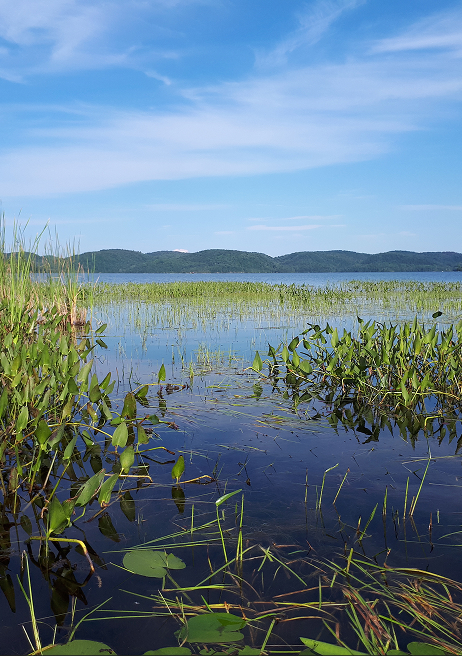
The Outaouais is a vast and varied landscape where forests, rivers, wetlands, and open habitats come together to support a rich diversity of life. Many of these ecosystems are special environments that support species that are rare or in decline elsewhere.
Through generations of use and close observation, the Anishinàbeg people have built a detailed understanding of how these ecosystems function. This knowledge continues to guide how priority areas are identified and approached today.
Explore the ecosystems that make the Outaouais unique:
Photo Credit: Mathilde Boual
Rivers and Lakes : The Lifeblood of the Landscape
Follow the water and you'll discover the threads that connect the entire region.
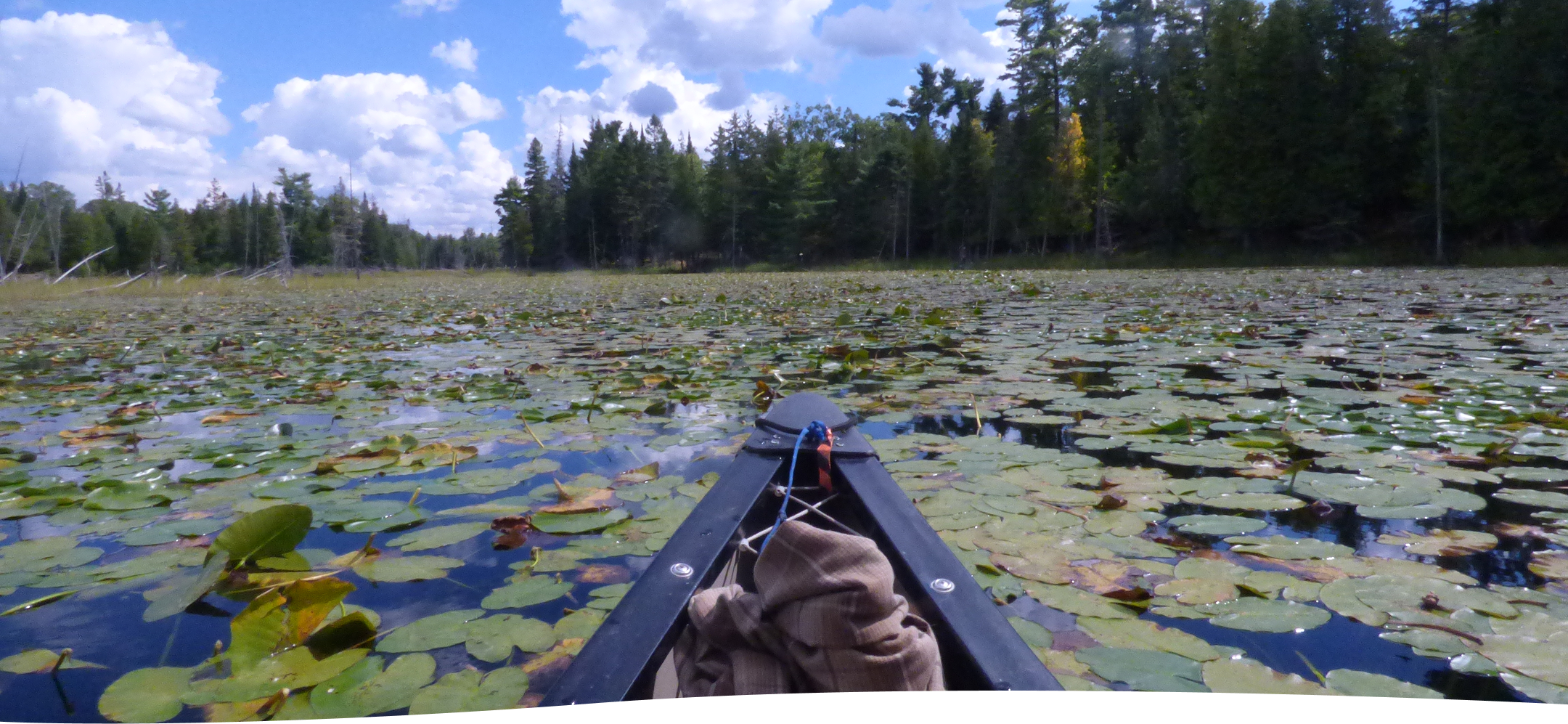
Rivers are the backbone of the territory: ancestral travel routes and ecological corridors that link habitats and support biodiversity across the landscape. Flowing primarily north to south into the Kichi Zìbì (Ottawa River), they connect forests, wetlands, lakes, and communities.
Along the way, the region's rivers, lakes, streams, and shorelines provide habitat for fish, birds, turtles, and countless other species, while supporting drinking water, recreation, and cultural connections to the land.
Photo Credit: J-F. Houle, Parc national de Plaisance
“Ever since we've been in the bush, we drink water in the bush. See, water, when it's rolling like that, like a stream, it's always purifying itself.
When it's purifying itself with the sand and with the stone. So it's always, always, always clean. ”
Sherry Chabot,
Kitigan Zibi Anishinàbeg
Community Member
Alvars : Life on Bare Stone
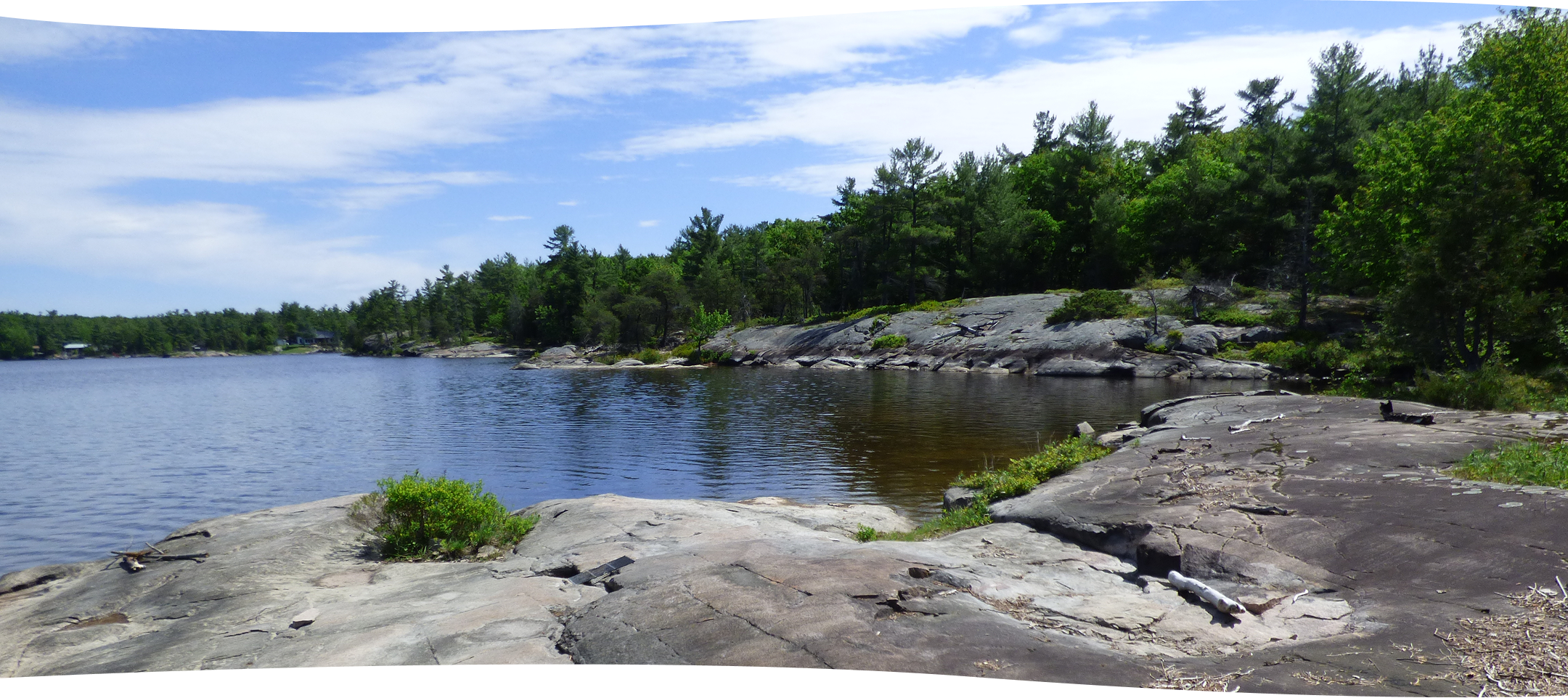
At first glance, an alvar might not look like much, just open limestone bedrock stretching across the landscape. But look closer. In these seemingly harsh conditions, where spring floods give way to hot, dry summers and soil is scarce, a remarkable community of plants, insects, and wildlife has found a way to thrive.
Alvars are among the world’s rarest ecosystems, providing habitat for species that are rarely found anywhere else. What appears barren is one of Eastern Canada's most unique and fragile habitats.
Photo Credit: Mathilde Boual
Have you ever walked across a landscape that seemed empty but was full of life?
Open Sandy Habitats : Rare Life on Shifting Ground
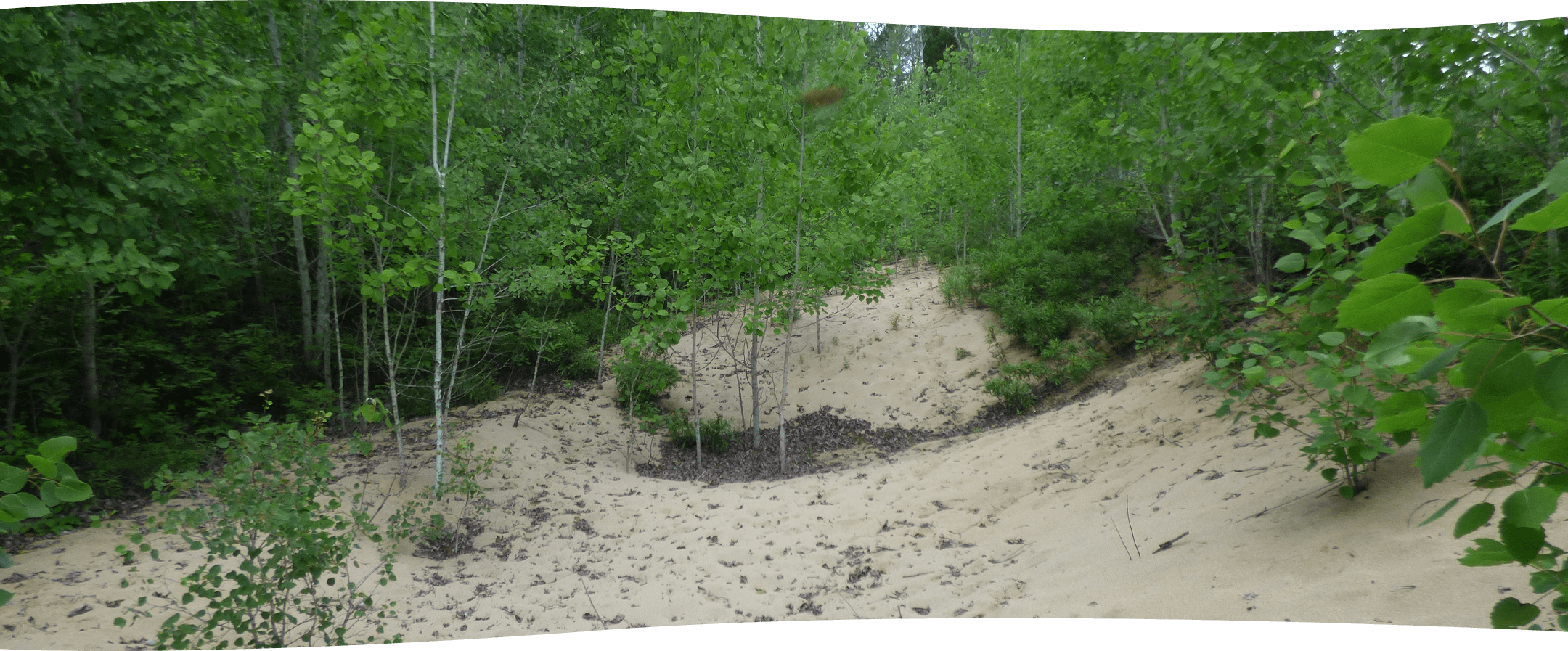
Open sandy habitats may seem unremarkable at first, but beneath your feet lies one of the region's rarest landscapes.
These warm, dry, sunlit areas provide the exact conditions needed by specialized plants and animals that cannot survive just anywhere. Many of the species found here are uncommon or at risk, making these seemingly simple patches of sand an important part of the Outaouais story.
What can these resilient ecosystems teach us about adapting to challenging conditions?
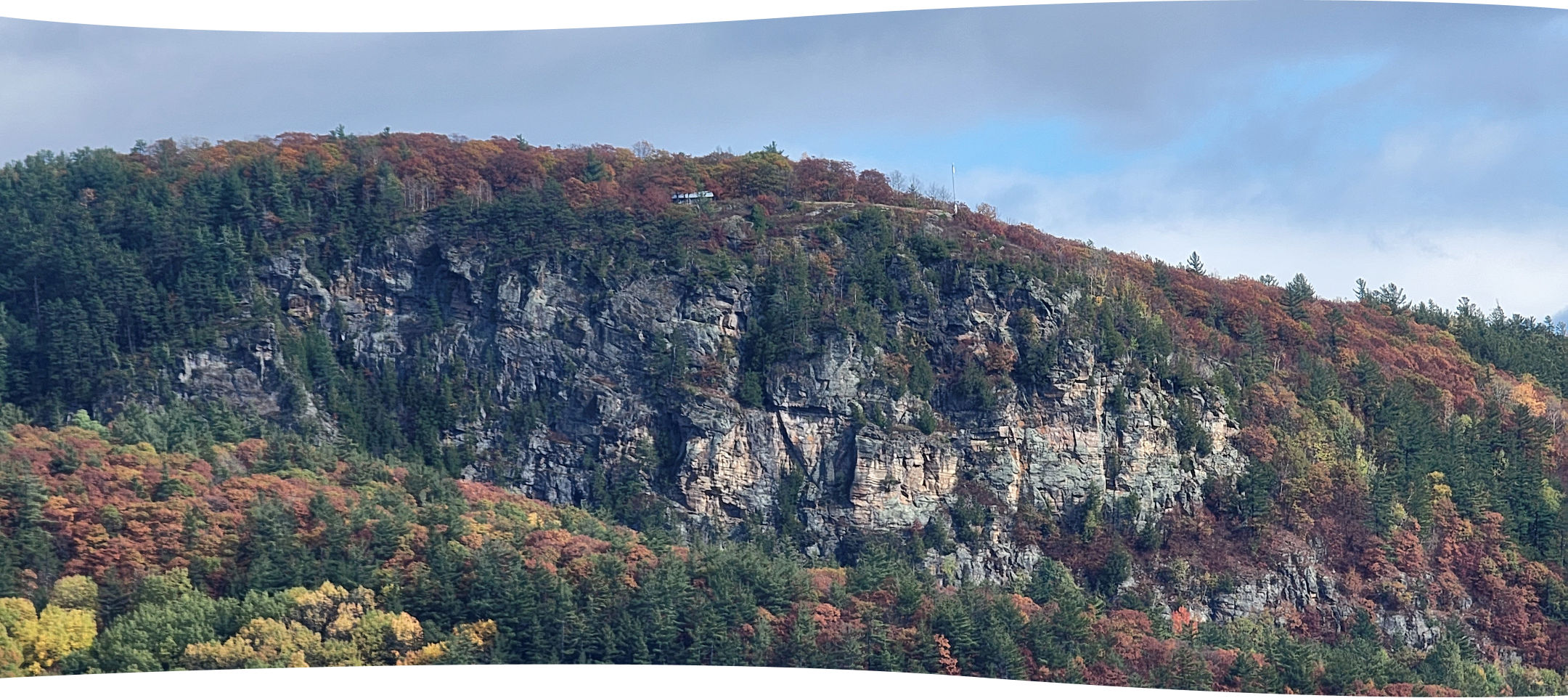
Rocky Escarpments : Where Stone Shapes Life
Stand at the base of a rocky escarpment and look up. Towering cliffs, rugged slopes, and forested valleys create a dramatic landscape where conditions can change in just a few steps. Sunlit rock faces, cool shaded forests, and sheltered crevices create a patchwork of habitats where life finds a foothold in unexpected places.
These ancient formations are more than striking landmarks: they help connect habitats, shelter biodiversity, and tell a story written in stone over thousands of years.
Photo Credit: Dolcy Meness
What stories do you think the cliffs and rock faces of the Outaouais could tell?
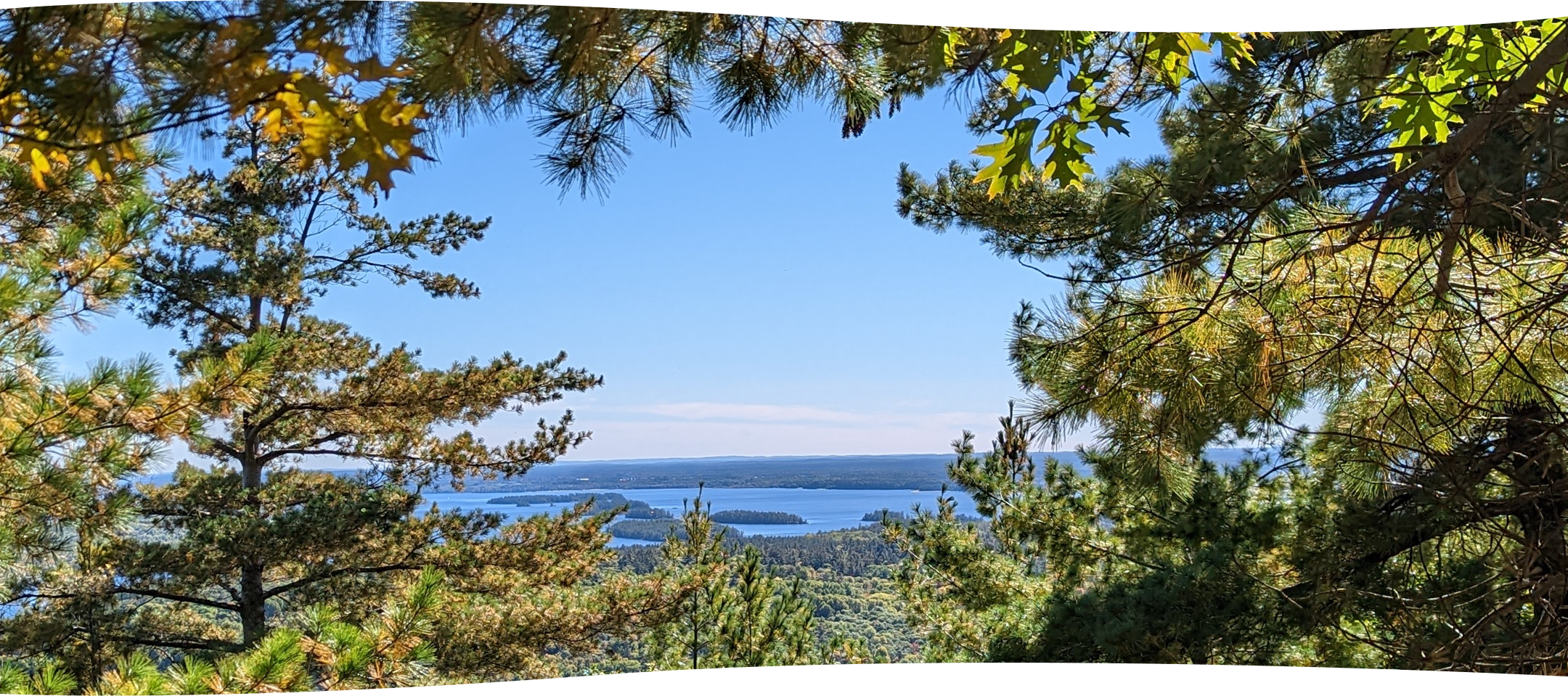
Laurentian Foothills: The Lifeblood of the Landscape
Stand among the forests and rolling hills of the Laurentian foothills and you'll find a place shaped by forest and stone. These forests shelter wildlife, store carbon, protect water quality, and connect natural areas across the region. They are also places where people hike, hunt, gather, learn, and reconnect with the land. More than a backdrop, the Laurentian foothills are a living system that supports both nature and community.
More than a backdrop, the Laurentian foothills are a place where forests, wildlife, water, and people remain deeply connected.
Photo Credit: Tara Decontie
When was the last time you felt connected to nature in the forest?
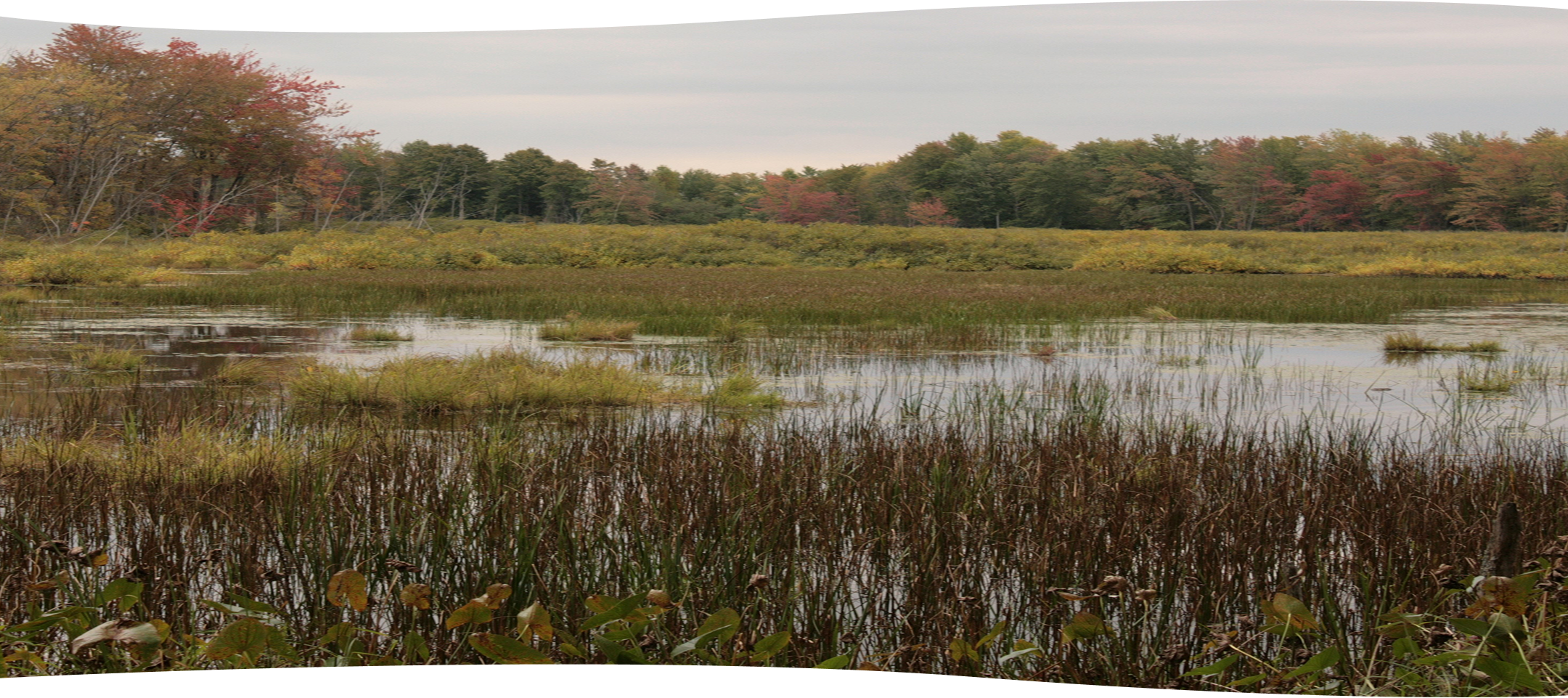
Wetlands : Nature's Water Guardians
You may know them as marshes, swamps, bogs, or fens, but wetlands are among the hardest-working ecosystems in the Outaouais. They quietly filter water, reduce flooding, store carbon, and provide a home for countless birds, fish, amphibians, and other wildlife.
Step into a wetland and you'll find a place full of life: a reminder that some of nature's most important work happens in places that are often overlooked.
Photo Credit: J-F. Houle, Parc national de Plaisance
What would your region be like without nature's ability to filter water and reduce flooding?
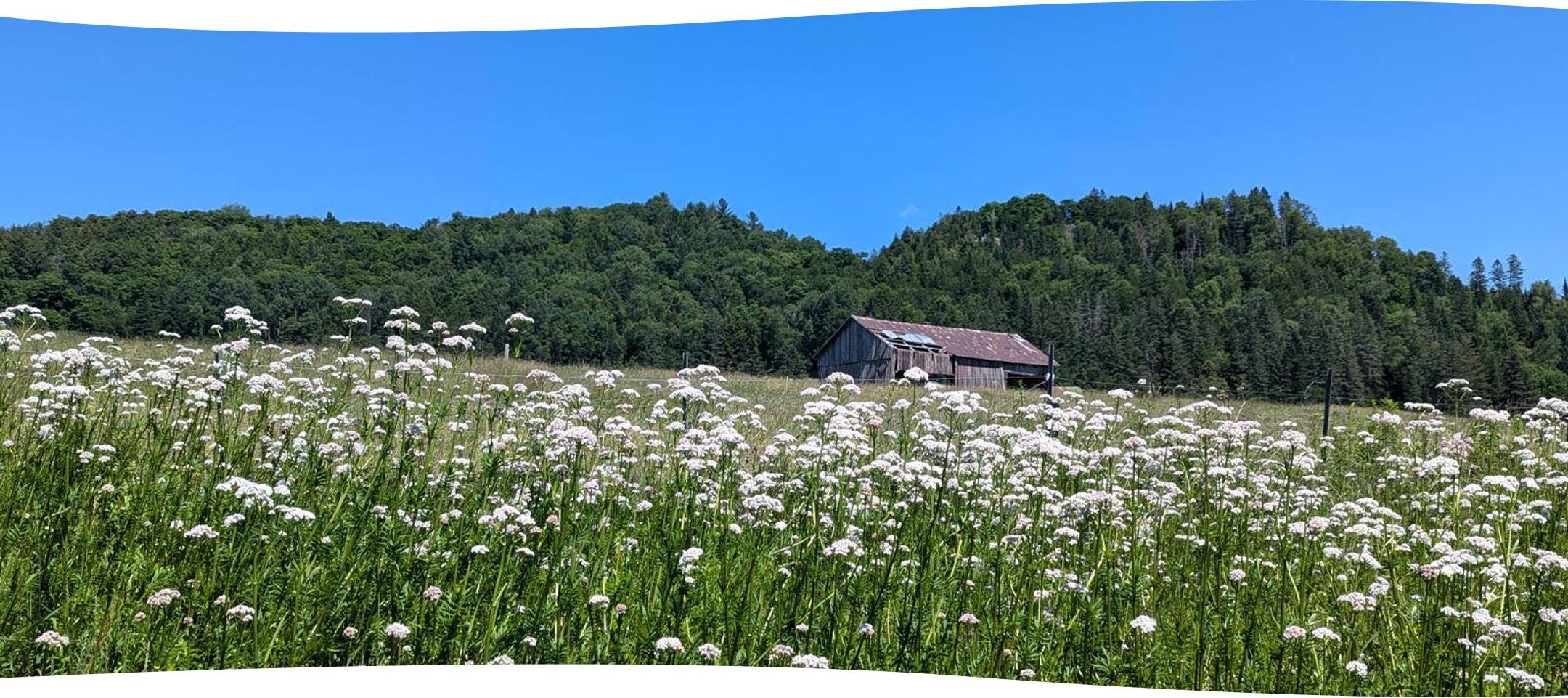
Agricultural Lands : Where Food and Nature Meet
Look beyond the fields and pastures. Agricultural lands are more than places where food is grown—they are part of a living landscape shared by people and wildlife. Hayfields, pastures, and working farms provide habitat for pollinators, grassland birds, and many other species.
When connected to forests, wetlands, and shorelines, these working lands help create the pathways that allow nature to move, adapt, and thrive across the region.
Photo Credit: Sophie Jarnois
How can food production and biodiversity thrive together?
